Cost-Saving Fixture Selection for Maximum Gain
Transform Your Property: Key Information About Home Remodeling Services for Every Homeowner
Many householders want to find methods to enhance their residences by using renovation services. These renovations extend starting with kitchen improvements to complete home renovations. Understanding the options available is crucial for making informed decisions. Furthermore, there exist tangible aspects like budgeting and selecting the professional contractor. When property owners embark on this process, they could face unforeseen difficulties. The key to a successful transformation depends on careful planning and implementation. What should be done subsequently?
Understanding the Different Types of Residential Renovation Work

When property owners think about upgrading their living spaces, they often encounter numerous renovation options suited to various requirements and preferences. These projects are generally grouped into a few distinct groups, each addressing specific aspects of home improvement. Kitchen remodeling focuses on modernizing fixtures, storage units, and floor plans to boost practicality and aesthetics. Bathroom upgrades generally mean updating the hardware, tiling, and organizational units for improved comfort and visual flair.
Full-house renovation covers major alterations across the property, sometimes requiring major structural work to optimize space and layout. Outdoor renovation projects, conversely, aim to improve the property's street view, addressing siding, the roof, and landscaping. Furthermore, specific options such as completing the basement and attic conversions help residents make the most of neglected parts of the home. All these service types provides distinct advantages, allowing property owners to select choices that align with their vision for their residence. Knowing these variations is essential when making informed decisions while undertaking the upgrade.
Setting a Realistic Budget for Your Home Improvement Work
How do property owners make certain their home upgrades are kept within budget? Developing an achievable budget is vital. Property owners must start by assessing their monetary resources, including savings and potential financing options. This preliminary action will help determine the amount that can be set aside for the renovation while maintaining other fiscal obligations.
Next, homeowners must investigate the expenses linked to their planned updates, including materials, labor, and surprise expenses that tend to crop up. Developing a comprehensive priority list will assist in identifying must-haves versus nice-to-haves, making it possible to adjust if funds become limited.
It is prudent to set aside an emergency fund, generally 10-20% of the entire budget, to handle unforeseen expenses. Frequently checking and modifying the budget throughout the remodeling process can further assist in keeping finances in check. Ultimately, a well-planned budget not only guarantees project viability and makes the whole updating experience better for homeowners.
Choosing the Right Contractor for Your Requirements.
Choosing the appropriate professional has a major influence on the success of a remodeling project. Homeowners should begin by performing extensive investigation, looking for suggestions from acquaintances, relatives, or web feedback. It’s vital to verify credentials, including licenses, insurance, and bonding, to establish credibility.
When prospective builders are located, property owners must ask for comprehensive quotes and schedules, facilitating well-grounded side-by-side evaluations. Interviews provide insight into communication styles and professionalism, which are crucial for working together effectively.
Furthermore, examining previous work via portfolios or referrals can reveal a contractor's quality of workmanship. Property owners must also ask about guarantees or assurances, which shows the professional's belief in their output.
Finally, picking a builder whose approach fits the property owner's ideas, cost plan, and timeframe leads to a more favorable updating process, making certain the outcome satisfies needs and changes the space as intended.
Planning and Designing Your Ideal Space.
As those renovating imagine their desired rooms, careful planning and thoughtful design are crucial elements of a successful remodeling project. The beginning stage requires reviewing existing necessities and future desires, to gain a complete comprehension of the area's utility. Homeowners should consider functionality, visual appeal, and personal style, to guarantee the design showcases their distinctive choices.
Next, it is critical to create a detailed budget. This budget should cover materials, labor, and possible unexpected costs. Consulting with design experts can provide valuable insights, helping to optimize the space and respecting budgetary constraints.
Including features such as ample daylight, spacious designs, and sustainable materials can improve the final result. Finally, seeing the project via drawings or computer models can aid in refining ideas before implementation. By thoughtfully tackling the design and planning stage, homeowners can build a comfortable, effective space suited to their way of life.
Understanding Regulations and Permits in Residential Projects
Familiarizing oneself with the comprehensive resource red tape and requirements can be daunting for homeowners starting on a remodeling project. Every local government sets particular guidelines that determine what is allowed during renovations, typically guided by zoning laws, construction standards, and safety standards. It is essential for homeowners to understand local regulations to prevent expensive penalties or project delays.
Generally, securing permits is essential for significant alterations, such as modifying load-bearing elements or electrical work. This process usually necessitates providing designs for examination and might demand site visits at various stages.
Engaging a knowledgeable contractor can make this procedure easier, as they are usually well-versed in local regulations and can help manage the documentation. Owners must also maintain clear communication with the city's regulatory body to ensure adherence throughout the project. By understanding and maneuvering through these requirements, homeowners can meet their renovation objectives while guaranteeing that the work is safe and legal in their renovations.
Frequently Asked Questions
How Long Does a Typical Home Remodeling Project Take?
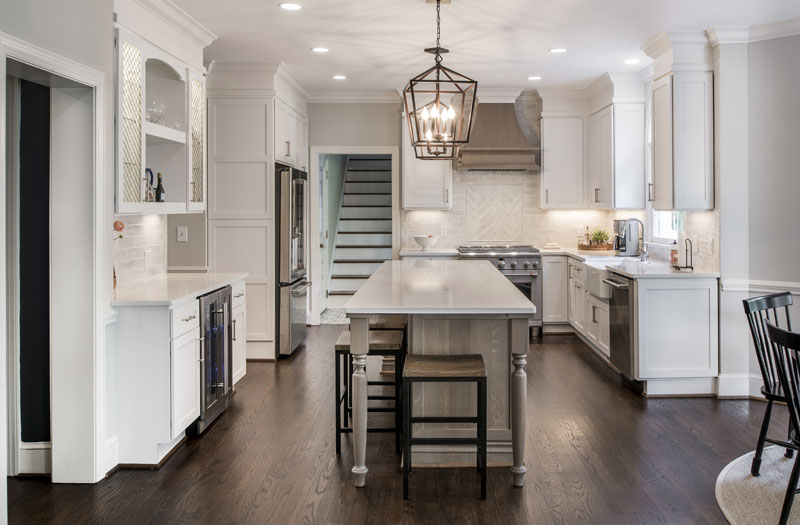
A typical home remodeling project usually takes three to six months on average, contingent upon the extent of the project, size of the home, and availability of materials. Intricate jobs could demand more time for completion.
What are the frequent blunders you should steer clear of throughout the renovation process?
Common mistakes in the remodeling process are things like underestimating budgets, neglecting permits, missing scheduled deadlines, failing to communicate effectively with contractors, and ignoring long-term functionality. Awareness of these pitfalls can lead to a less stressful, more successful renovation project.
What's the best way to select the right materials for my renovation?
Choosing the right materials means considering their resilience, visual appeal, and cost constraints. Looking into different products, consulting professionals, and factoring in how much care they require are vital steps to make smart choices, to guarantee the project fits your functional and aesthetic goals.
Can I live in my home during renovations?
Yes, one can live on the premises while work is ongoing, but you should expect some hassle. Detailed organization, maintaining open dialogue with your builders, and setting aside certain zones where you can live normally can lessen the stress throughout the project.
What guarantees should I look for by my builders?
You should anticipate receiving warranties covering workmanship, the products installed, and key building elements, which usually last between one to ten years. It is crucial to review the exact provisions in partnership with the renovation company to clearly grasp what is covered and what is excluded.